Multi-site locations demand consistency. The moment a customer walks past your shopfront, steps into reception, or sees your van on the road, they form an opinion about your professionalism. When your brand looks and feels the same everywhere, you earn trust faster, stand out from competitors, and make every location work harder for you.
For franchises, growing retailers, gyms, real estate offices, and service businesses expanding across Australia, branding uniformity is not a nice-to-have. It is your competitive edge. Yet many growing businesses struggle with mismatched colours, different materials, varying logo sizes, inconsistent installation, and signage that looks “close enough” but not quite right. That is where a structured signage strategy makes all the difference, especially when you are managing multi-site locations under pressure.
Customers expect familiarity. If one site looks premium and another looks dated, people subconsciously question your quality. Consistency improves recognition, strengthens recall, and increases the chance a customer chooses you over someone else.
For multi-site locations, consistent branding also reduces operational headaches. Your teams do not have to reinvent signage every time you open, relocate, or refresh a site. Instead, you follow a repeatable system that protects your brand while saving time.
It also protects your investment. When signage is aligned across sites, every new location benefits from the brand equity you have already built. That is how multi-site locations scale faster without losing identity.
Growing businesses often hit the same roadblocks:
These problems are especially common in franchises and chains because speed matters. Many businesses want fast, high-quality signage without having to manage multiple vendors, design decisions, and install logistics. That expectation is typical for multi-site locations with busy owners and marketing managers who want it done right the first time.
It is more than putting the same logo everywhere. For multi-site locations, brand consistency should cover:
When these elements are defined and repeated, multi-site locationss look intentional and premium, not pieced together.
The easiest way to keep control is to create a repeatable signage framework. Here is a practical approach that works across multi-site locations.
Review each location and capture what exists: shopfront signage, window decals, interior signage, safety signage, wall graphics, and vehicles. Identify what is consistent, what is outdated, and what needs standardising.
This audit becomes your rollout map. It also helps prioritise high-impact items first, like shopfront visibility and reception branding for multi-site locations.
A master pack should include print-ready logo files, approved colour specifications, font details, and templates for common signage types. This stops teams from guessing and ensures every site uses the same base files.
For multi-site locations, templates are gold. You can update site-specific details, like trading hours or addresses, without redesigning everything.
Most multi-site locations benefit from a core signage kit that can be replicated:
This kit approach keeps every location aligned while allowing small variations where needed, like different shopfront dimensions.
If you position as premium, flimsy materials will undermine you. If you are value-focused, over-engineering may waste budget. Multi-Site Locations should select materials that balance durability, appearance, and long-term ROI.
For example:
The key is choosing the same material standards across multi-site locations so customers get the same experience everywhere.
One of the biggest issues with multi-site locations is colour variation. Lighting, substrates, and print settings can shift colours noticeably.
To avoid this:
Multi-site locations need coordinated installs that protect timelines. If one site opens with temporary signage while another opens fully branded, the customer experience becomes inconsistent.
A rollout plan should include:
This is where having a full-service partner matters, because multi-site locations often do not have time to manage installers, printers, and designers separately.
Yes, some locations need localised messaging. Different suburbs, different demographics, different offers. The trick is to standardise the structure, then customise the content.
For multi-site locations, you can keep:
And vary:
This keeps every site on brand while still feeling relevant.
If you want the quickest improvement across multi-site locations, prioritise these:
Shopfront signage
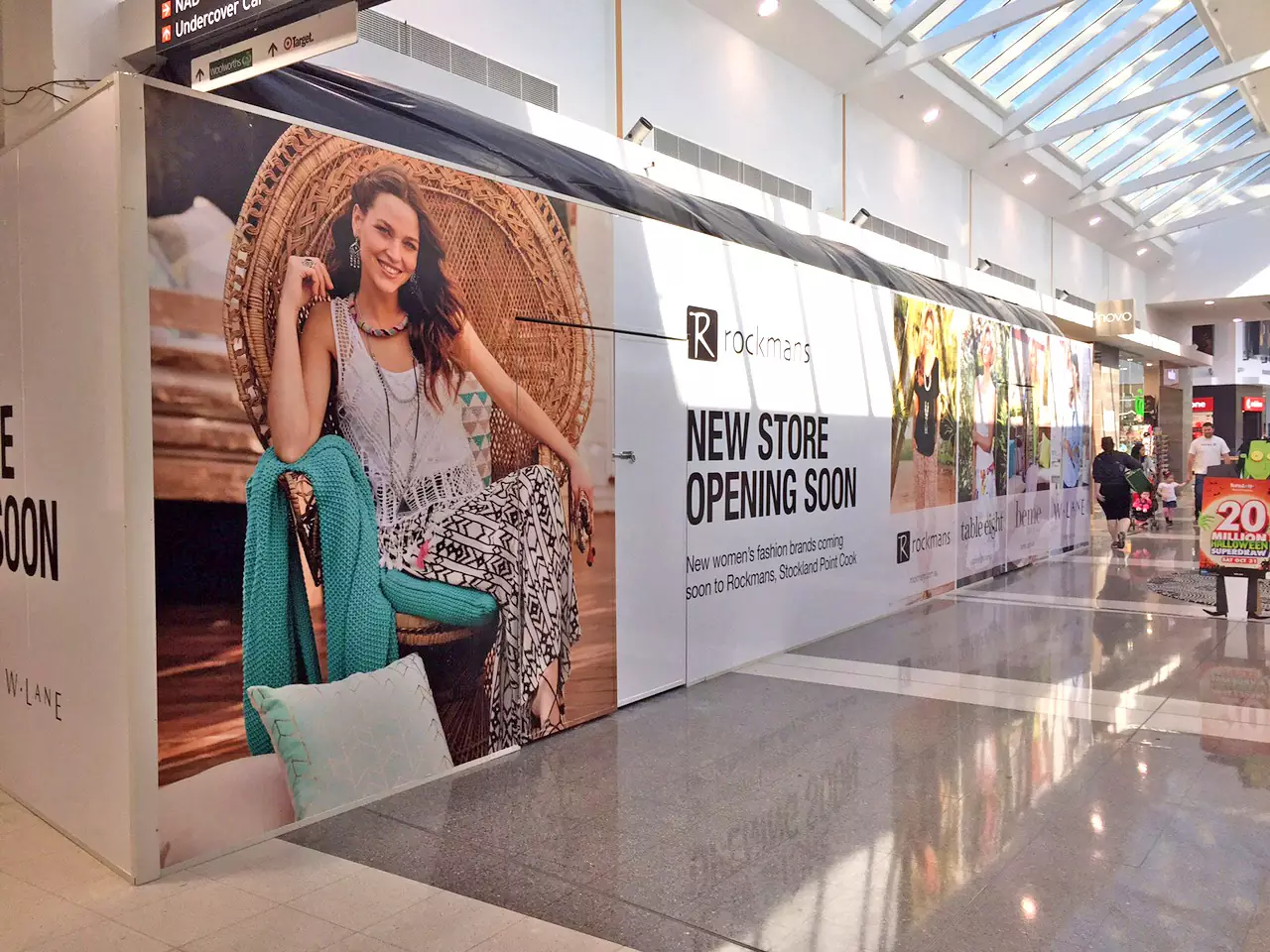
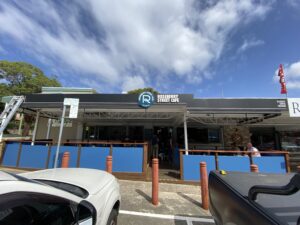
This is your billboard. Consistent shopfront signage makes your chain instantly recognisable.
Window graphics
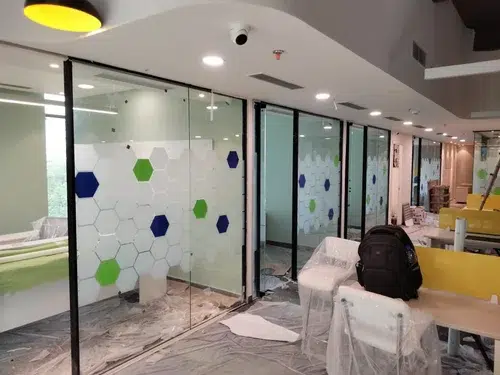
Perfect for promotions, privacy, and reinforcing brand colours. Great for multi-site locations because they are scalable and cost-effective.
Reception and interior branding
Acrylic signs, 3D logos, and wall graphics create that “wow” moment that customers remember.
Wayfinding and directories
They reduce confusion and elevate the customer experience, especially in offices, clinics, and larger commercial spaces.
Vehicle branding
Fleet consistency is powerful. When multi-site locations run multiple vehicles, uniform vehicle graphics multiply brand reach every day.
When you follow this checklist, multi-site locationss stop feeling chaotic and start feeling like a polished brand network.
The goal is simple: your newest site should look as strong as your flagship, and your older sites should never fall behind. That is how multi-site locations build trust, improve visibility, and scale confidently.
If you are rolling out new signage, refreshing existing sites, or preparing for expansion, ProGroup Signs can help you deliver consistent, high-impact branding across Australia with a fully managed approach, from design to print to install.
Contact Us Anytime to Find the Signage Solution for You
Please contact us (https://progroupsigns.com.au/contact)
Email: [email protected]
Phone: +1300 013 982
Copyright © 2026 ProGroup Signs Australia | All Rights Reserved | HTML Sitemap
Powered by BsharpTech